How to Read and Understand Floor Plans When Buying Off the Plan
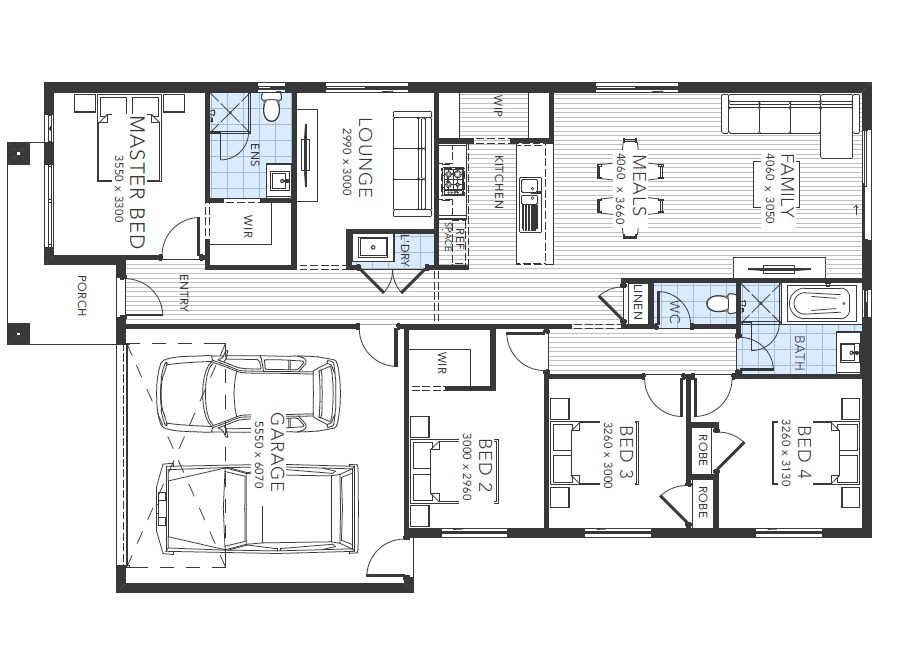
When buying off-the-plan, one of the most important documents you’ll receive is the floor plan. For many buyers, especially first-timers, interpreting floor plans can be overwhelming – there’s a lot of detail packed into a black-and-white drawing.
But understanding a floor plan is critical. It’s the key to knowing exactly what you’re buying and whether the layout suits your lifestyle, investment goals, or future plans.
At Crest Property Investments, we help clients make informed decisions by breaking down floor plans and identifying red flags and value-adding features. Here’s a practical guide to help you do the same.
Why Floor Plans Matter
Unlike established homes, off-the-plan properties haven’t been built yet – so the floor plan is the only way to visualise your future home or investment. It shows:
- Room sizes and layout
- Orientation (e.g., which direction the living room faces)
- Flow between spaces
- Storage areas
- Outdoor zones like courtyards or balconies
- Wall placement, doors, and windows
These elements influence everything from natural light and liveability to resale value and rental appeal.
Key Elements to Review in a Floor Plan
1. Orientation and Natural Light
Check the compass icon (usually in the corner of the plan). North-facing living areas typically get the best light in Melbourne and other southern cities. South-facing apartments may be cooler and darker – something to factor into your decision.
2. Room Sizes
Room dimensions are usually listed in metres (e.g., Bedroom: 3.2m x 3.0m). Ask yourself:
- Can a queen bed and side tables fit in the bedroom?
- Is the living area large enough for a lounge, TV unit, and dining table?
- Will the kitchen have adequate bench and storage space?
Don’t just rely on square metre totals—how the space is used is just as important as how big it is.
3. Functional Layout
Look for:
- Open-plan kitchen/living zones (preferred in modern homes)
- Logical flow between bedrooms and bathrooms
- Privacy between bedrooms (ideal in two-bedroom units)
- Avoid long, narrow hallways that waste space
A well-designed floor plan will feel practical, balanced, and spacious, even if the overall area is modest.
4. Storage and Laundry
Check for built-in wardrobes, linen closets, and laundry facilities. Lack of storage is a common pain point in smaller apartments or townhouses.
Look for internal laundries rather than shared or Euro-style ones tucked in cupboards—these details can affect comfort and tenant appeal.
5. Outdoor Space
If there’s a balcony, courtyard, or backyard, review its position, size, and usability. A small but sunny balcony can be more enjoyable than a large, shaded one.
Also check if the outdoor area is directly accessed from the living zone, which enhances flow and functionality.
6. Walls, Doors & Windows
Floor plans show window placement, door swings, and internal wall layout. These details affect:
- Light and ventilation
- Furniture placement
- Noise separation between rooms
Ensure bedrooms have windows—not all do in inner-city developments, which can affect compliance and liveability.
Common Floor Plan Red FlagsBe wary of:
- Bedrooms without windows or natural light
- Small kitchens with minimal bench space
- Excessive hallway space that adds to square metres but not usability
- Balconies that are narrow or accessed only from bedrooms
- Irregular-shaped rooms that are hard to furnish
These can reduce liveability, rental demand, and future resale appeal.
Bonus Tip: Ask for More Than One View
If you’re serious about a property, request:
- 3D renders or artist impressions of the space
- Furniture layout plans (to see real-world use)
- A materials/finishes schedule, showing what’s actually included
Remember, floor plans are the framework—but finishes and design details bring the space to life.
How Crest Property Investments Can Help
We don’t just hand you a floor plan—we walk you through it. Our role is to help you:
- Identify strong, functional layouts
- Compare plans across different projects
- Understand what will appeal most to tenants or buyers
- Avoid designs that may underperform in the future
We simplify the process so you can buy with clarity and confidence.
Understand Floor Plans When Buying Off the Plan
Floor plans may look technical, but learning how to read them gives you a real advantage when buying off the plan. The more you understand what to look for, the more likely you’ll choose a property that delivers great value, strong liveability, and long-term growth.
If you’d like help reviewing a floor plan or want guidance on choosing the right design, reach out to Crest Property Investments. We’re here to make property investing easier—one smart decision at a time.
If you’d like some assistance sourcing a brand new or off the plan property, please don’t hesitate contact us.
We would welcome the opportunity to help with your property purchase. Our YouTube channel and Market Insights also provide a wealth of information to assist you with many areas relating to property.
While we have taken care to ensure the information above is true and correct at the time of publication, changes in circumstances and legislation after the displayed date may impact the accuracy of this article. If you want to learn more, please contact us. We welcome the opportunity to assist you.
November 2025